How Long a Residential Roof Replacement Takes and What to Expect
If you are planning a roof replacement, one of the first questions on your mind is likely how long the whole job will take. The short answer is that a typical residential roof replacement lasts between two and five days, but the exact timeline depends on several factors. The size and slope of your roof, the materials being installed, the weather, and the condition of the existing structure all play a role. A small, simple roof on a ranch-style home might be finished in two days. A larger or more complex roof with multiple angles and valleys can take closer to a week.
Understanding the process behind the timeline helps you plan ahead and know what to expect. Every roof replacement follows a sequence of steps that are necessary for a safe, durable result. Rushing through these steps can lead to problems later, so it is better to allow enough time for each phase to be done correctly.
The Typical Roof Replacement Process
A full roof replacement involves more than just pulling off old shingles and putting new ones on. The job includes inspecting and repairing the roof decking, installing underlayment, and adding flashing and ventilation details. Each step has a purpose and takes a certain amount of time. Here is a general look at what happens during a residential roof replacement and how long each phase usually takes.
Inspection and Tear-Off
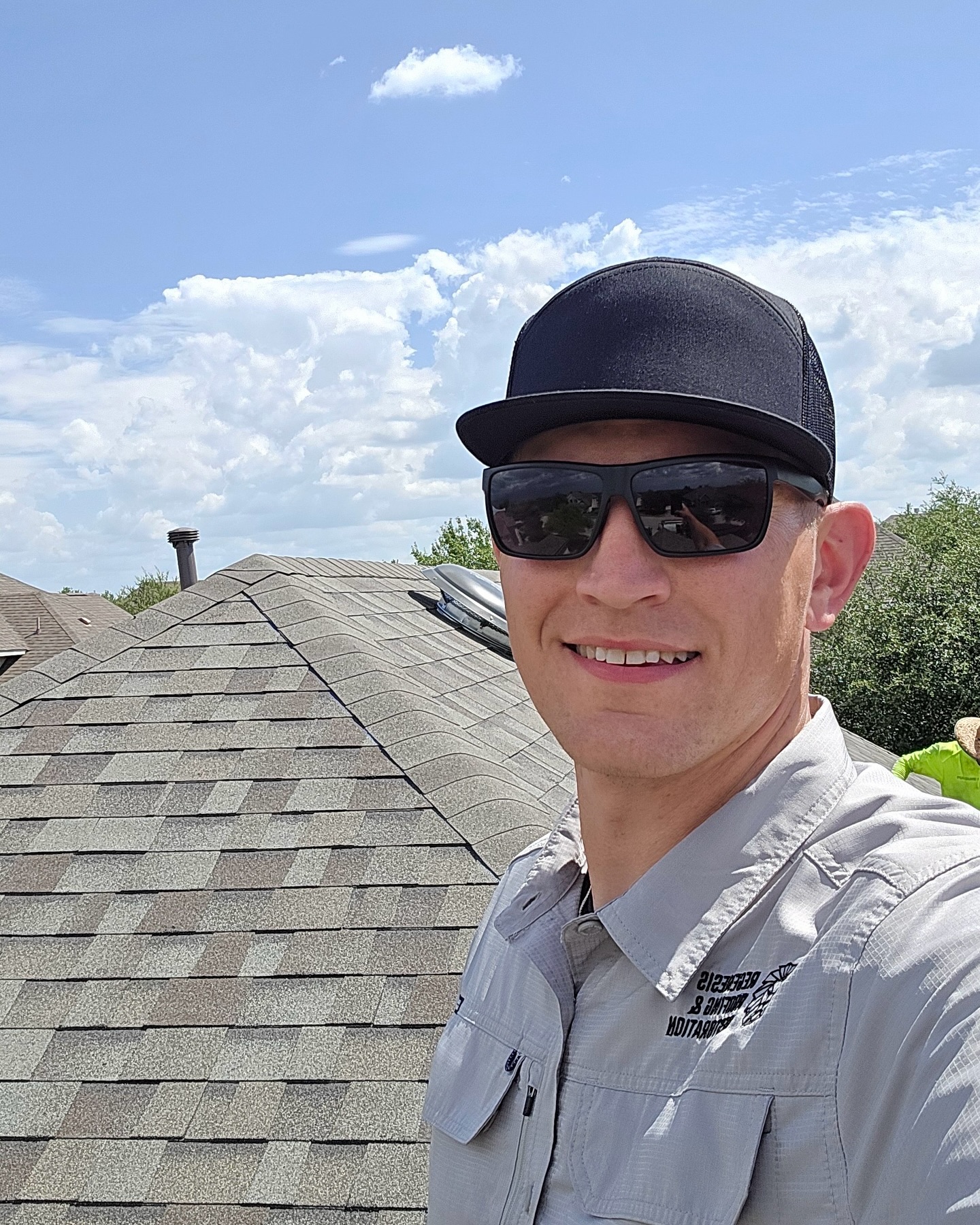
The first day begins with a thorough inspection of the existing roof. The crew checks for signs of rot, water damage, or structural issues that need attention. After the inspection, the tear-off begins. This means removing all old roofing materials down to the roof decking. For an average-sized home, tear-off usually takes one full day. If the roof has multiple layers of old shingles, it can take longer. The crew also removes old flashing, vents, and any damaged sections of the roof decking.
Roof Decking Repairs and Underlayment
Once the old roof is removed, the crew inspects the roof decking again. Any rotted or damaged boards must be replaced before the new roof goes on. This step is critical because a solid base is necessary for a long-lasting roof. Replacing a few boards takes a few hours, but if extensive damage is found, it could add an extra day. After repairs, the crew installs underlayment, a protective layer that goes between the roof decking and the shingles. Underlayment helps prevent leaks from ice dams and wind-driven rain. This step usually takes half a day to a full day, depending on the roof size and complexity.
Flashing, Starter Shingles, and Shingle Installation
Flashing is installed around chimneys, vents, and roof valleys to direct water away from vulnerable areas. This is a detail-oriented job that requires careful work. Flashing installation typically takes a few hours. Next, the crew installs starter shingles along the eaves. Starter shingles provide a secure base for the first row of shingles and help prevent wind uplift. After that, the main shingle installation begins. For a standard asphalt shingle roof, a crew of three to five people can install the shingles in one to two days. More complex roofs with steep slopes, multiple hips, or dormers take longer because each section requires precise cutting and fitting.
Ridge Cap and Ventilation
The ridge cap is the final row of shingles along the peak of the roof. It seals the top of the roof and gives it a finished look. Installing the ridge cap takes a few hours. Proper ventilation is also essential. Ridge vents, soffit vents, and other ventilation components allow air to circulate under the roof deck, reducing moisture buildup and extending the life of the roof. Installing ventilation takes another hour or two. The crew also installs any new flashing, pipe boots, and other accessories during this phase.
Factors That Can Extend the Timeline
While two to five days is the standard range, some conditions can push the schedule longer. Weather is the most common factor. Rain, snow, or high winds can stop work for a day or more. Hot weather can also slow down work because shingles become softer and more difficult to handle, though this is less of a delay than a storm. The condition of the roof decking is another variable. If the inspection reveals extensive rot or structural damage, the crew needs extra time to repair or replace the affected areas. The size and complexity of the roof also matter. A simple gable roof with a moderate slope is faster to replace than a roof with multiple valleys, dormers, skylights, or a steep pitch. Finally, the type of roofing material makes a difference. Asphalt shingles are relatively fast to install, while tile, slate, or metal roofs require more time and labor.

Regenesis Roofing & Restoration LLC is also on Facebook.
What You Can Expect During the Job
During a roof replacement, your home will be exposed to the elements for a short period. The crew takes steps to protect your property, such as covering landscaping and setting up tarps in case of unexpected rain. You will likely hear noise from hammering, nail guns, and debris removal. It is a good idea to move vehicles and outdoor furniture away from the work area. The crew will also need access to your property for equipment and materials. Asking your roofer about the daily schedule and what to expect helps you plan your own activities.
A carefully installed new roof is an investment that pays off in protection and peace of mind. The time it takes to complete the job is small compared to the years of service a quality roof provides. Rushing through the process to save a day or two can lead to mistakes that shorten the roof's lifespan. A reputable roofing contractor will take the time needed to do the job right, including proper inspections, repairs, and installation of all components.
Planning for Your Roof Replacement
Before the work begins, you will receive a roofing estimate that outlines the scope of the job, the materials to be used, and the expected timeline. The estimate should include details about the tear-off, decking repairs, underlayment, shingles, flashing, ridge cap, and ventilation. It should also specify the type of shingles and any warranties that apply. Reviewing the estimate carefully helps you understand what is included and what might add extra time. If you have questions about the timeline or the process, ask the contractor. A good contractor will explain each step and give you a realistic schedule based on your roof's specific condition.
A carefully installed new roof begins with a solid plan and a thorough job. The two-to-five-day timeline is a reasonable expectation for most residential homes, but every roof is different. Factors like roof age, weather, and the extent of repairs needed can change the schedule. The key is to work with a contractor who communicates clearly and takes the time to do the job right. If you live in the Cedar Park, Leander, or nearby North Austin areas, local roofing professionals understand the climate and building codes that affect roof replacement in Central Texas.

Regenesis Roofing & Restoration LLC, located at 2302 John Tee Dr, Cedar Park, TX 78613, USA, provides roof inspections, repairs, replacements, hail damage restoration, and storm-related roofing services in Cedar Park, Leander, and nearby North Austin communities. You can reach them at +1 512-674-5979 for more information about their services.
Corrections
Spot something wrong? Send it to the desk and it gets fixed in the open.